Pulling up a chair at a local pub pokies machine used to mean watching the reels spin while you nursed a cold one. These days, plenty of punters are logging on from the couch, tapping a screen, and letting the software take the reins. Autoplay has become a staple of the digital betting landscape, and it is reshaping how Australians interact with online slots. The feature promises convenience and a steady rhythm, but it also raises questions about control, pacing, and responsible play.
For anyone weighing up whether to switch on the auto-spin function, it helps to know exactly what is happening behind the glass. Modern casino platforms bundle a stack of settings around automated play, from bet sizing to stop-loss limits, and the terminology can feel a bit foreign if you are new to the scene. This piece breaks down how the feature works, why operators push it, and what the local rules look like when you are spinning from Brisbane to Perth.
How the Autoplay Function Actually Works
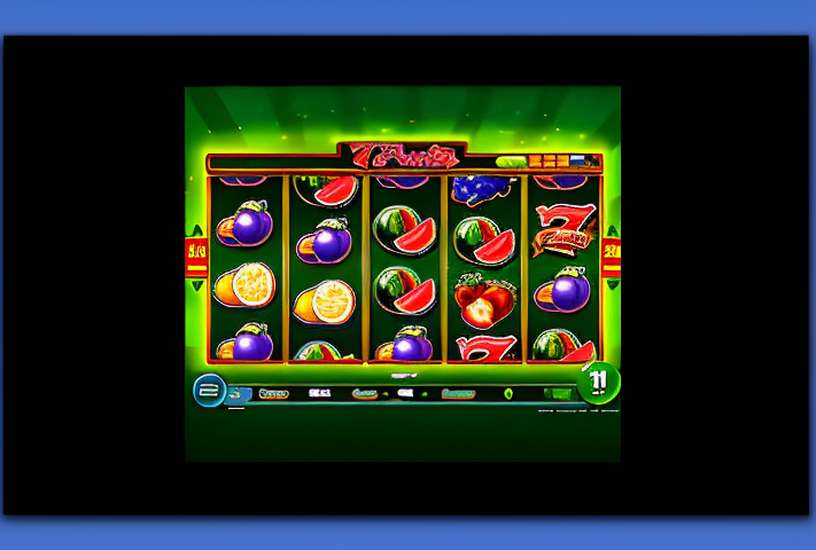
At its core, automated spinning is a straightforward piece of software logic. You set a number of rounds, choose a wager per spin, and decide whether the session should halt after a win, a loss, or a predetermined tally. The platform then feeds those instructions into the game engine, which pulls random outcomes from a certified generator and applies them to the virtual reels. Nothing magical is going on; the machine is simply executing a loop you have authorised.
Most quality operators let you layer in extra guards before the first auto-spin lands. You can cap the total amount you are willing to stake, set a time limit, or toggle a cool-off that pauses the sequence if the balance drops below a threshold. Those controls matter because the whole point of the feature is to remove the click-by-click friction, not to hand over the keys to your bankroll. A well-built interface keeps the brakes within easy reach.
Why Punters Love the Set-and-Forget Approach
There is a reason the function has gone from niche to mainstream on Aussie-facing sites. It lets players settle into a session without hovering over the mouse or thumb, which suits people who treat online slots as a bit of background entertainment while watching the footy or catching up on emails. The steady cadence also appeals to punters who prefer a measured pace rather than rapid, manual bursts that can burn through credits in a hurry.Responsiblegambling
Another draw is the consistency of bet sizing. When you are tapping each spin yourself, it is easy to drift up or down without noticing, especially after a couple of flutes and a win. Autoplay locks the stake in place, which can help some players keep a clearer eye on their run. Of course, that same consistency can work against you if the reels turn cold, so the feature is a tool, not a guarantee.rocketplay review about safety
Where the House Actually Makes Its Margin
A lot of newcomers assume the casino wins simply because the odds are tilted, and while the mathematical edge is real, the revenue picture is a bit more layered. In casino-style games the operator’s advantage is baked into the return-to-player percentage, which means the machine is designed to pay out less than it takes in over a very large number of spins. That is the baseline economics of the product.
The dynamic shifts when you step into card rooms and poker tables. In poker played against other players (not the house), the casino earns money via the “rake.” That is a small cut taken from each pot or charged as an hourly fee, and it is a completely different model from the slot floor. Understanding that distinction matters because autoplay features are almost exclusively a slots and video-game phenomenon, where the house edge and the random generator do the heavy lifting.
Comparing the Big Operators on the Market
The Australian online space has tightened up over the past decade, and the brands that have stuck around tend to be the ones that invested early in licensing, game libraries, and player protections. Joe Fortune sits among the leaders of the Australian market in the comparison table, alongside other established names that have built reputations for steady payouts and transparent terms. When you are scanning operators, it pays to look past the flashy welcome offers and check how each platform handles session controls.
A solid way to gauge an operator’s approach is to read through independent assessments that test the safety and fairness claims rather than just repeating the marketing copy. Our rocketplay review about safety walks through the kind of checks worth making, from licensing details to game certification and the clarity of withdrawal rules. Those independent looks help you cut through the noise before you deposit a single dollar.
| Operator | Market Position | Autoplay Controls | Licensing Focus |
| Joe Fortune | Leader in the Australian market | Bet limits, loss caps, session timers | Australian-facing compliance |
| Rocketplay | Strong regional presence | Custom spin counts, stop conditions | Curated game library |
| Other major brands | Established local footprint | Standard auto-spin settings | Varied jurisdictional rules |
The Legal Landscape Down Under
Australia has taken a relatively firm stance on interactive gambling, and the rules shape what operators can offer to residents. The Interactive Gambling Act sets the boundaries for real-money online services, and it has driven a lot of the product design choices you see on compliant sites. Features that encourage continuous play without clear breaks have drawn scrutiny, which is why responsible gambling tools have become a bigger part of the product conversation.
State-level rules add another layer of complexity. South Australia caps the total number of pokies allowed statewide, a restriction that reflects the region’s approach to machine density and community impact. That kind of local regulation does not directly govern online autoplay, but it signals how seriously different на нашем ресурсе jurisdictions treat continuous machine play, whether the machine is in a club or on a screen.
Expert Take on Session Control
Industry voices increasingly argue that automated features need to be paired with clear guardrails, not just marketed as a convenience. Chloe Johnson, Chief Financial Officer, Harbour City Gaming Review, has pointed out that the financial side of player sessions is only healthy when the tools give people a genuine chance to step back before a run gets out of hand. Her view is that operators should treat session limits as a core product feature rather than an optional extra buried in a settings menu.
That perspective lines up with a broader push for transparency around how automated play affects pace and spend. When the software handles the clicking, the player’s attention can drift, and that is exactly when a pre-set limit or a hard stop becomes useful. The best implementations make those controls visible and easy to adjust without forcing you to dig through multiple menus.
Keeping Your Play in Check
No feature is a substitute for a clear head and a budget you can actually stick to. Setting a loss limit before you switch on the auto-spin function is one of the simplest ways to keep a session from spiralling, and it works regardless of whether you are playing from a home office or a mobile connection on the train. Treat the limit like a line in the sand rather than a suggestion you can renegotiate mid-session.
Time boundaries matter just as much as money boundaries. A timer that nudges you to pause or wrap up can break the rhythm that makes automated play so absorbing, and that interruption is often enough to help you make a clear-headed call about whether to continue. If you are ever unsure about where to find reliable guidance on staying in control, the team at responsiblegambling.org.au keeps a stack of practical resources tailored to Australian players.
Picking the Right Setup for Your Session
The sweet spot with automated spinning is usually a conservative bet size paired with a modest number of rounds. That combination gives you enough play to enjoy the session without exposing your balance to a long cold streak in one go. It also makes the maths easier to track, because you know exactly how much you are committing per spin and how many spins you have authorised before the machine stops.
Customising the stop conditions is worth the extra minute it takes to set them up. Some platforms let you halt on a win target, others on a loss ceiling, and a few offer both. Picking the option that matches your mindset for the night – whether you are chasing a bit of fun or trying to stretch a bankroll – makes the feature work for you instead of the other way around. The goal is a session that feels relaxed, not one that leaves you staring at a dwindling tally.
Where the Tech Is Heading Next
Game studios and platform builders are steadily adding smarter overlays around automated play, and that includes more granular feedback on pace, balance changes, and session length. Some interfaces now surface a running summary of how many rounds have fired and how the stake has held up, which gives players a clearer picture without forcing them to do the mental arithmetic themselves. That kind of transparency is a step in the right direction for anyone who wants the convenience without losing track.
There is also a growing emphasis on friction that is helpful rather than annoying. Gentle prompts, easy-to-reach limits, and quick pause buttons are becoming standard on better-built sites, and that shift reflects a broader understanding that convenience and control can coexist. As the product matures, the operators that keep player safeguards front and centre will likely stand out, especially in a market where Australians are increasingly savvy about what they expect from a betting platform.